Blog
Insights on AI-powered development, autonomous coding agents, and the future of shipping software.
Insights on AI-powered development, autonomous coding agents, and the future of shipping software.
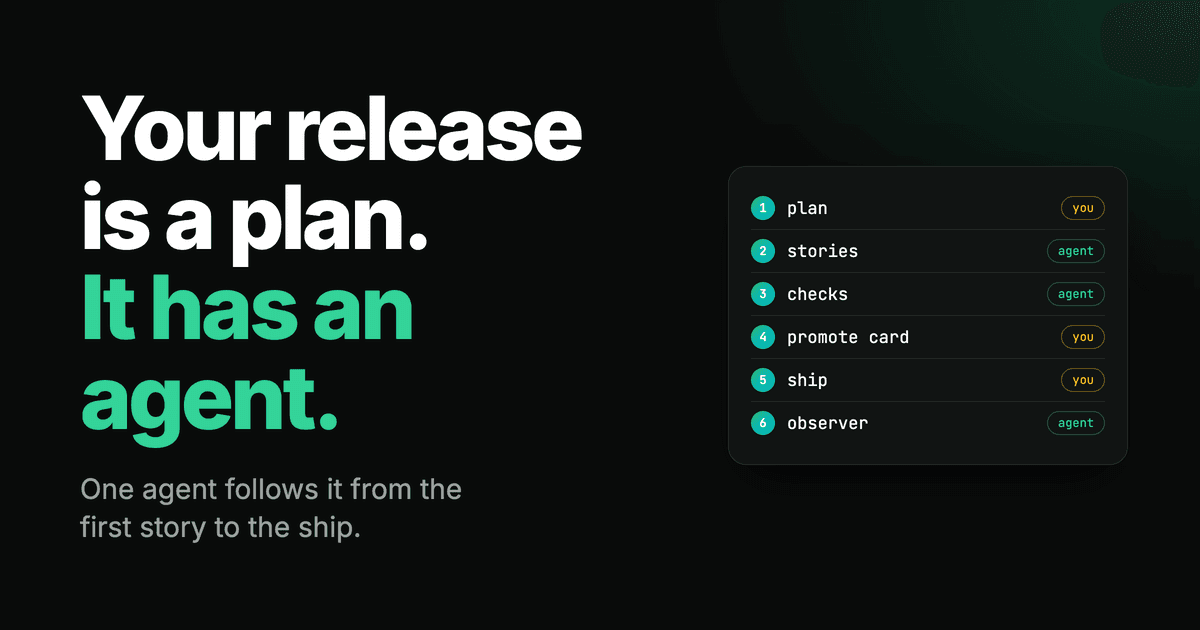
In Trinity 0.7.0 a release holds its whole plan, and one agent follows it from the first story to the ship. See what it does, and which calls stay yours.
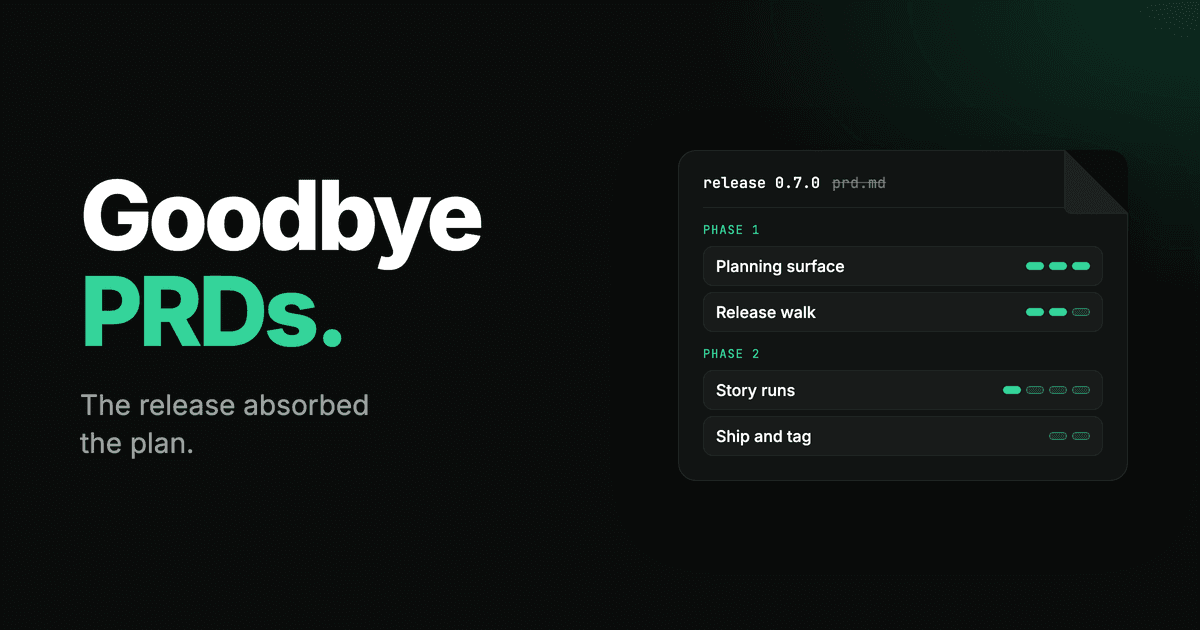
Trinity was built around the PRD for nine months. Then a release grew to hold several of them. Here is why the release absorbed the PRD, and what changed.
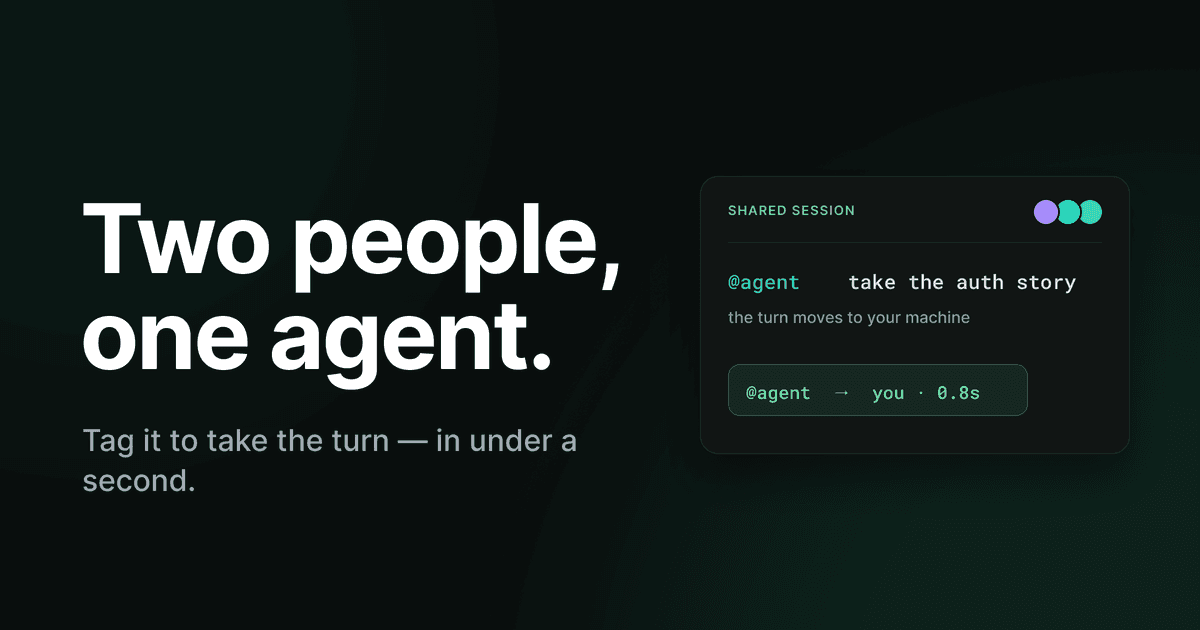
Trinity makes every AI surface a shared, real-time conversation — and lets you pull a running agent session onto your own machine in under a second by tagging @agent.
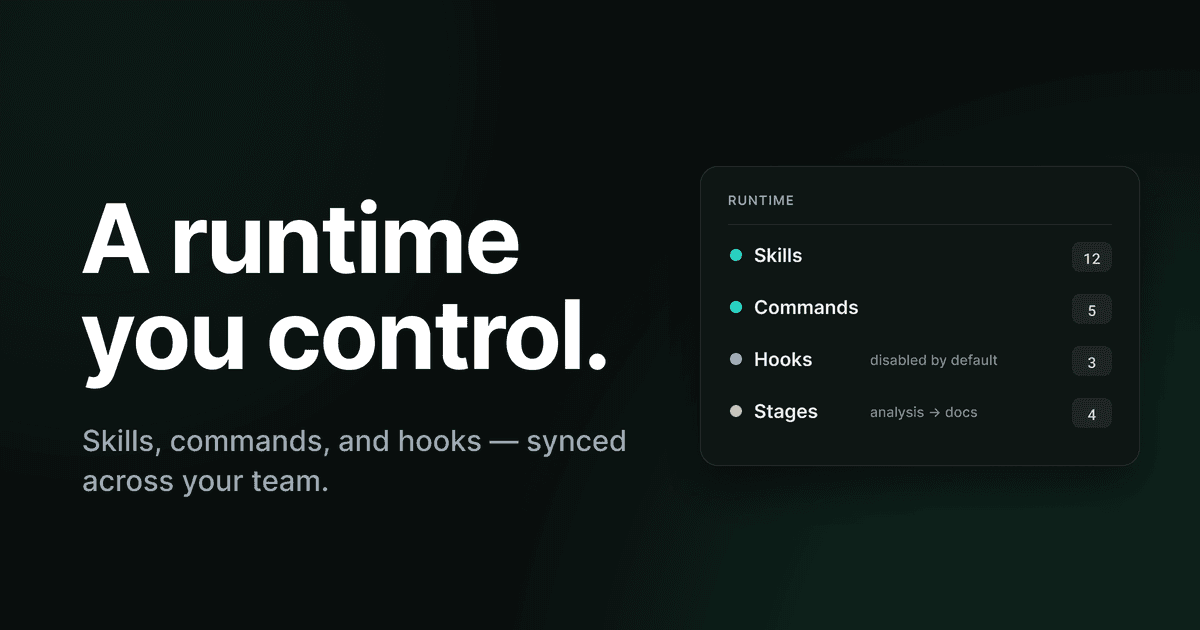
Trinity gets a Runtime — one synced place to manage the skills, commands, and hooks your agents run with, and to create new ones just by describing them.
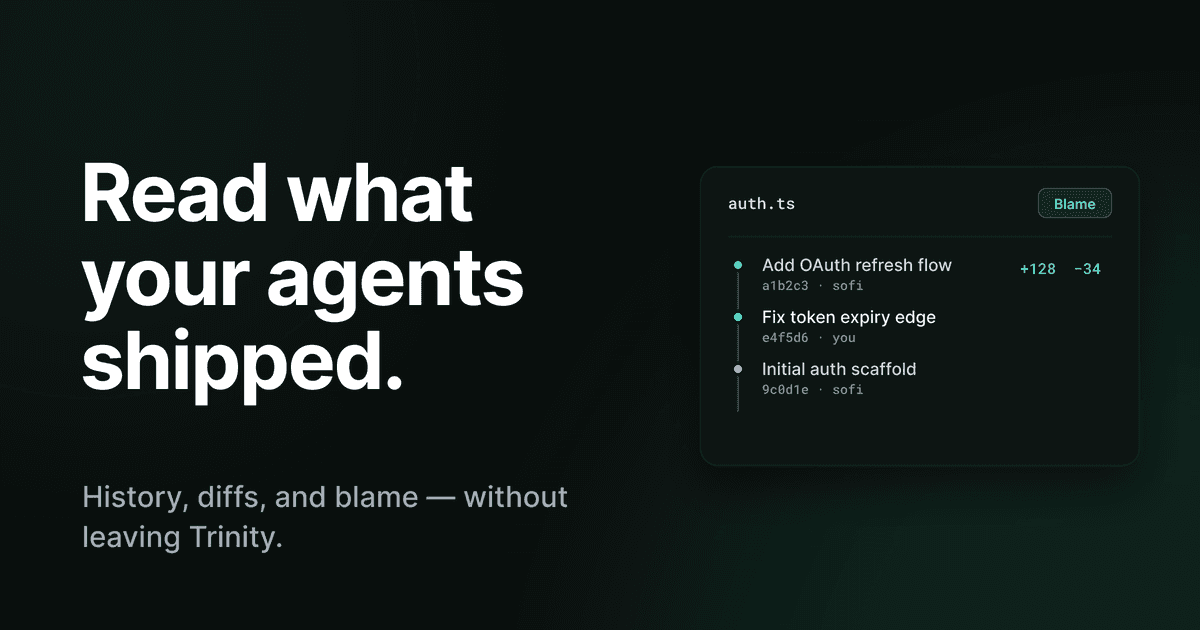
Trinity's built-in code browser brings a commit history graph, per-commit diffs, and line-by-line blame into the app — review what your agents shipped without opening GitHub.
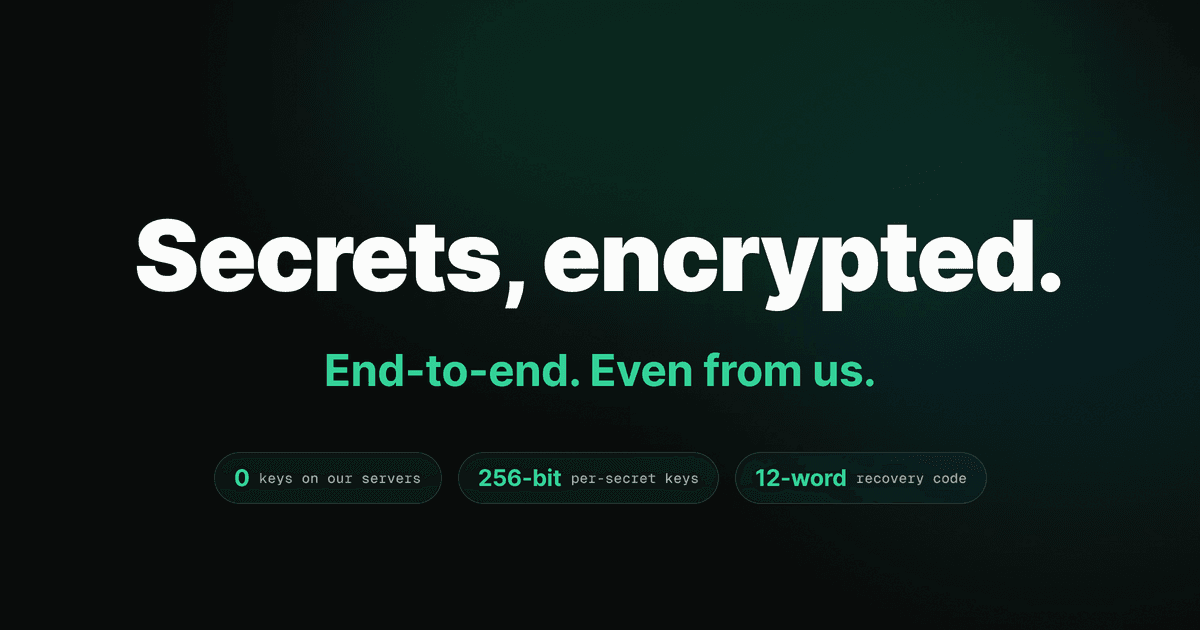
Trinity now ships end-to-end encrypted secrets: keys stay on your devices, our servers hold only ciphertext, and nobody — including us — can read your values.
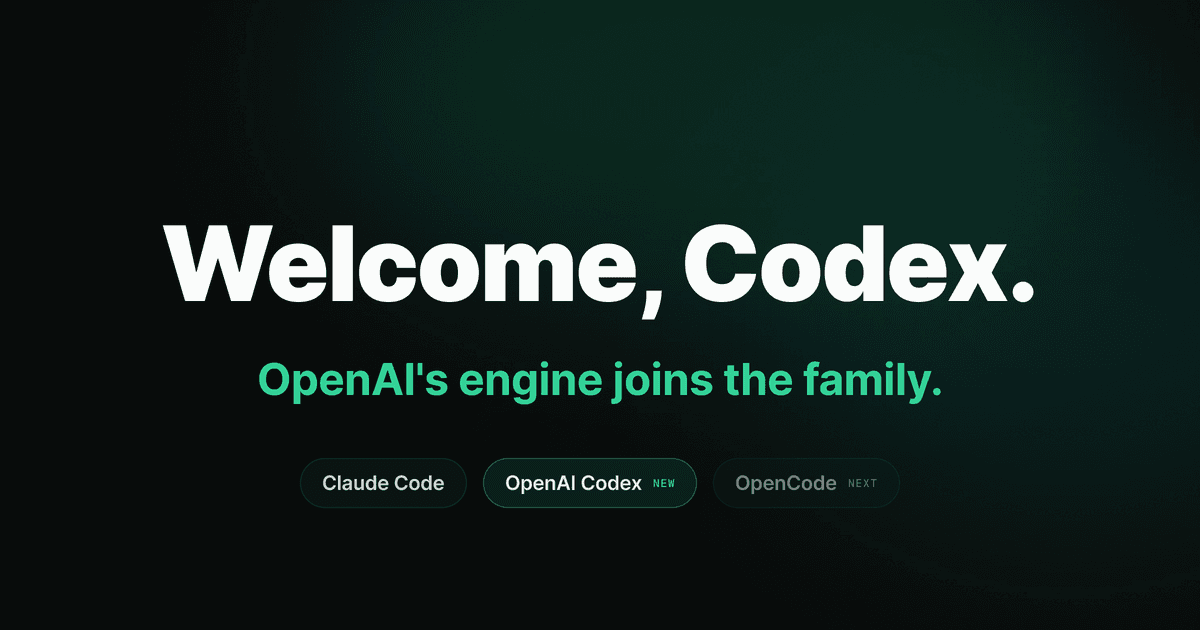
OpenAI Codex joins Claude in Trinity's growing engine family — pick GPT-6 Astra or a GPT-5.6 model in Settings, powering every AI action, same framework.